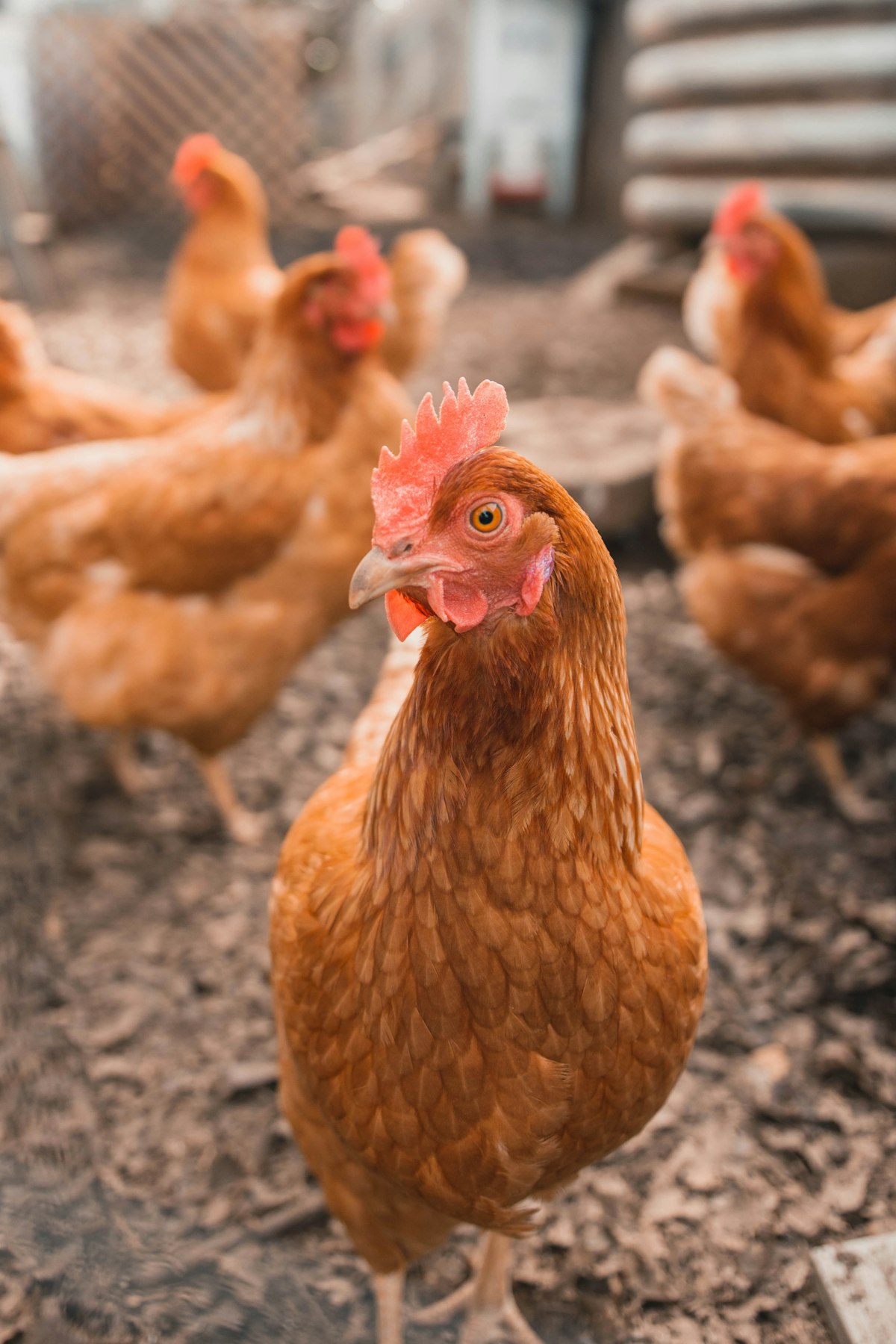
How to Hatch Chicken Eggs: The Complete Beginner's Guide
Everything you need to know about hatching chicken eggs at home — from choosing fertile eggs to brooder setup and beyond.
Hatching your own chicken eggs is one of the most rewarding experiences a backyard farmer can have. Watching a chick pip its way out of a shell — a process that took 21 days of careful attention — never gets old. Whether you're hatching your first clutch or scaling up your flock with purchased hatching eggs, this guide covers everything you need to know.
What You'll Need Before You Start
Before you get started, gather these essentials:
- Incubator — still-air or forced-air (forced-air is more consistent for beginners)
- Egg candler — to check fertility and development around day 7-10
- Hygrometer — measures humidity inside the incubator
- Thermometer — digital is more accurate than dial
- Brooder box — for when chicks hatch
- Chick starter feed and waterer — ready before hatch day
Choosing Quality Hatching Eggs
The quality of the eggs you start with determines your success rate. Here's what to look for:
- Fresh eggs hatch better — ideally less than 7-10 days old
- Avoid cracked or misshapen eggs — they rarely hatch and can contaminate the incubator
- Store eggs properly before incubation — pointed end down, at 55-65°F, tilted slightly and turned twice daily
- Buy from reputable breeders — sourcing from trusted sellers (like those on HatchingEggs.store!) dramatically improves your hatch rate
Setting Up Your Incubator
Run your incubator for at least 24 hours before adding eggs to stabilize temperature and humidity.
Forced-air incubator settings:
- Temperature: 99.5°F (37.5°C)
- Humidity: 45-50% during incubation (days 1-18)
- Humidity: 65-70% during lockdown (days 18-21)
Still-air incubator settings:
- Temperature: 101-102°F (measured at the top of the eggs)
- Same humidity targets as above
The 21-Day Incubation Timeline
Days 1-18: Active Incubation
- Turn eggs 3 or 5 times per day (always end on an odd number so the egg is never in the same position two nights in a row)
- Automatic egg turners save labor and improve consistency
- Maintain temperature and humidity within the target ranges
- Ventilation is important — don't seal vents completely
Day 7-10: Candling
Hold each egg up to a bright light (a candler or flashlight) in a dark room. You should see:
- Fertile egg: red veins spreading from a dark center (the embryo)
- Clear egg: just yolk visible — likely infertile
- Blood ring: early embryo death — remove immediately to prevent contamination
Day 18: Lockdown
On day 18, stop turning eggs and raise humidity to 65-70%. This is called "lockdown" because you want minimal disturbance to the eggs. The chicks are positioning themselves to hatch.
- Stop automatic turner or lay eggs on their sides
- Do not open the incubator if you can avoid it — moisture escapes quickly
Days 19-21: Hatch Day
Chicks will begin "pipping" (breaking through the shell) around day 19-20. You'll hear chirping and see a small hole or crack appear.
Important: Do NOT help a chick hatch unless it has been stuck for 24+ hours with no progress. The struggle helps strengthen the chick's muscles and absorb the yolk sac.
After the chick hatches, leave it in the incubator for 12-24 hours until it dries and flufs up. Wet chicks in a brooder can chill rapidly.
Brooder Setup
Have your brooder ready before hatch day:
- Heat lamp or brooder plate: 95°F the first week, reduce by 5°F each week
- Chick starter crumbles: 20-22% protein, unmedicated or medicated depending on your preference
- Fresh water: shallow dish with marbles or pebbles so chicks don't drown
- Litter: pine shavings (avoid cedar — toxic fumes), paper towels for the first few days
Common Problems and Solutions
| Problem | Likely Cause | Solution |
|---|---|---|
| Low hatch rate (<50%) | Old eggs, temperature spikes, humidity issues | Calibrate thermometer/hygrometer; use fresh eggs |
| Chicks pipping but dying | Low humidity at lockdown | Raise humidity to 65-70% on day 18 |
| Mushy chick disease (omphalitis) | Bacterial contamination | Sanitize incubator between hatches |
| Eggs not developing | Infertile eggs or dead embryo | Candle at day 7; remove clear or blood-ring eggs |
| Chick stuck in shell | Low humidity or early assist | Wait 24 hours; if no progress, carefully assist |
Shipping Losses and Hatch Rate Expectations
If you purchase hatching eggs online, expect some losses due to shipping. Even with careful packing, internal membranes can be damaged in transit. A 50-70% hatch rate from shipped eggs is considered good. Fresh eggs from a local breeder will typically yield 70-90%+ hatch rates.
Let eggs from shipping rest at room temperature with the large end up for 12-24 hours before setting them in the incubator. This helps the air cell stabilize.
Final Tips for Success
- 1Keep a hatch log — record temperature, humidity, candling notes, and results for each hatch
- 2Don't overcrowd the incubator — air circulation matters
- 3Sanitize between hatches — bacteria from one hatch can destroy the next
- 4Join a community — BackYard Chickens and your local poultry association are excellent resources
- 5Buy quality eggs — the breeder's work starts before the egg even arrives at your door
Happy hatching! 🐣